Course Coming Soon
Our flagship course is currently in production. Be the first to get access when it drops — and receive an exclusive early-bird bonus.
-
-
Lesson 1
Introduce your lesson with an optional, short summary. You can edit this excerpt in lesson settings.
Introduce your lesson with an optional, short summary. You can edit this excerpt in lesson settings.
-
Lesson 2
Introduce your lesson with an optional, short summary. You can edit this excerpt in lesson settings.
Introduce your lesson with an optional, short summary. You can edit this excerpt in lesson settings.
-
-
-
Lesson 1
Introduce your lesson with an optional, short summary. You can edit this excerpt in lesson settings.
Introduce your lesson with an optional, short summary. You can edit this excerpt in lesson settings.
-
Lesson 2
Introduce your lesson with an optional, short summary. You can edit this excerpt in lesson settings.
Introduce your lesson with an optional, short summary. You can edit this excerpt in lesson settings.
-
About your Instructor
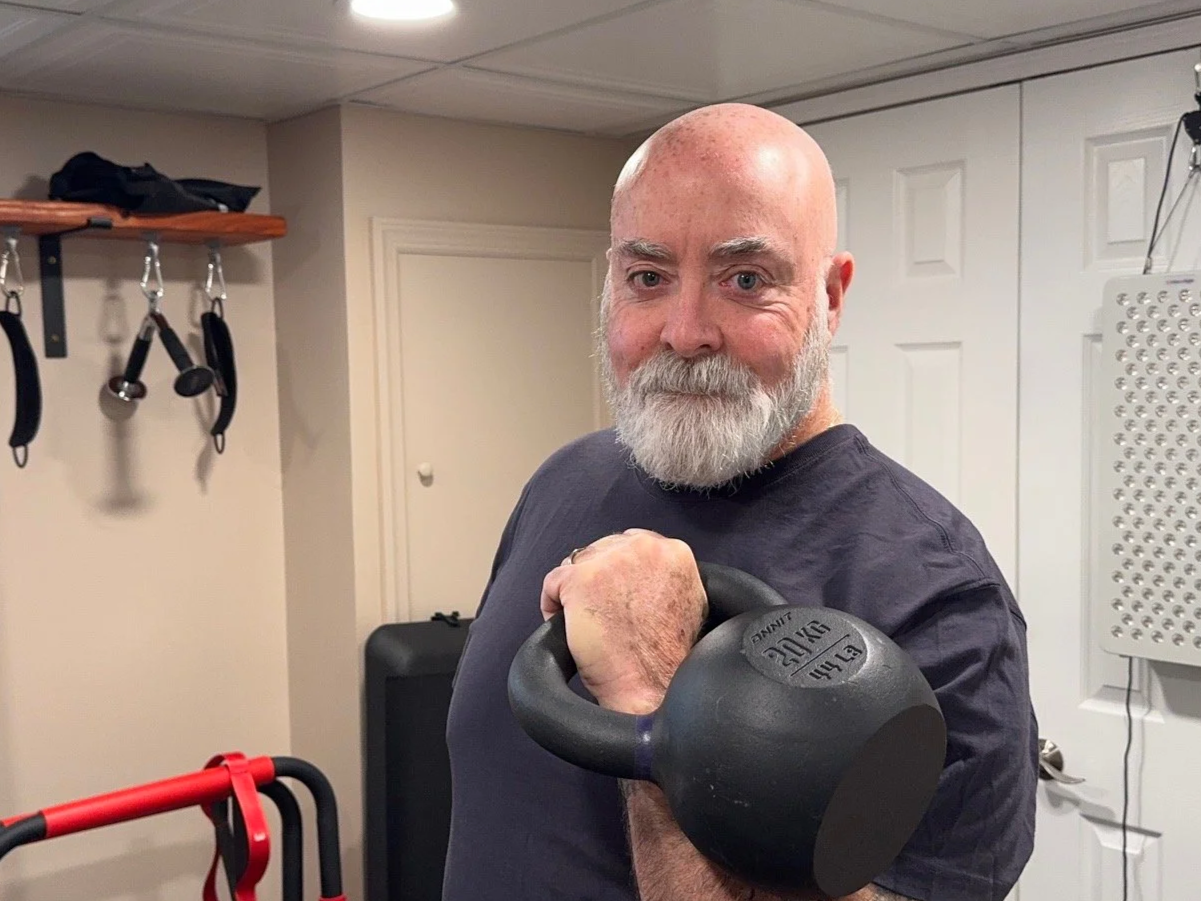
Hi, I’m Fred Spratt, founder of Newfound Health & Fitness — and just like you, I’m on a mission to make my next 20 years my strongest.
I’ve been training since the early ’80s when my gym was a bench in the basement and the only fitness “science” came from muscle magazines and hard lessons. Now, at 60, I’m a certified personal trainer, nutrition coach, and corrective exercise specialist who’s walked the walk — including through injury, setbacks, and 35 extra pounds I didn’t plan on carrying.
This course isn’t built from theory. It’s built from experience.
I know what it’s like to feel behind, to feel frustrated, to feel like you’ve tried everything and still can’t get momentum. That’s why I created Strong Start — a clear, no-fluff path to rebuilding strength, confidence, and wellness after 50.
Everything I teach is rooted in science, shaped by my own journey, and crafted to meet you where you are — not where someone says you “should” be. My goal isn’t perfection. It’s progress that lasts.
If you’re tired of gimmicks and ready for a real, practical roadmap — let’s go.
FAQs
-
Many older adults worry that strength training is risky or won’t work for them because they haven’t exercised in years — but science shows it’s both safe and beneficial when done right. Resistance training improves muscle, bone density, balance, and independence at any age.
-
Strength training after 50 is far more than aesthetics — it’s about protecting your future.
As we age, we naturally lose muscle mass in a process called sarcopenia, which begins as early as our 30s and accelerates in our 50s and 60s. This muscle loss isn’t just about looking “soft” — it leads to slower metabolism, joint instability, poor balance, and higher risk of falls and fractures.
But the good news? Strength training is the antidote.
It helps you:
Rebuild and preserve lean muscle
Boost your metabolism and support fat loss
Improve joint support and reduce pain
Enhance energy, mobility, and confidence
Stay independent and active into your later years
This isn’t about bodybuilding — it’s about healthspan, not just lifespan. You don’t need to be perfect, just consistent.
-
Many adults over 50 aren’t sure how much or what type of exercise is recommended—or if they need a gym membership. Guidelines generally recommend 150 minutes of moderate activity per week along with muscle‑strengthening exercises at least twice weekly, but you can do safe, effective workouts right at home.
-
Many people in their 50s and 60s worry that pain, stiffness, or past injuries mean they shouldn’t exercise. In reality, appropriate movement is often part of the solution — not the problem.
That said, if you have:
A diagnosed medical condition
Recent surgery or injury
Severe or worsening pain
Concerns about heart health, blood pressure, or balance
…it’s always smart to check with your physician or healthcare provider first before starting a new exercise program.
In this course, we focus on:
Safe, beginner‑friendly movements
Progressions that respect your current ability
Strength, mobility, and control — not pushing through pain
I don’t diagnose or treat medical conditions. My role is to help you move better, get stronger, and build confidence within safe, evidence‑based guidelines — and to help you recognize when it’s appropriate to seek medical guidance.
If something doesn’t feel right, we slow down. Progress comes from consistency and good judgment, not forcing results.